Healthcare Barriers for Newcomers & Visitors in Canada
The i-Care Telemedicine App was developed to address critical healthcare challenges faced by visitors and newcomers to Canada. Recognizing the barriers these groups encounter—such as lack of provincial health insurance, unfamiliarity with Canadian clinic systems, language barriers, and long emergency room wait times—i-Care was designed to deliver affordable, immediate, and accessible digital consultations.
Fostering Healthcare Equity Through Technology
The success of the i-Care Telemedicine app stemmed from a deep understanding of user pain points and the strategic integration of AI-driven solutions. By prioritizing affordability, accessibility, and ease of use, the design not only addressed critical barriers faced by newcomers and uninsured individuals but also demonstrated how technology can enhance healthcare equity.
The combination of AI-powered doctor recommendations, instant consultations, and streamlined prescription services significantly improved the user experience, making healthcare more efficient and inclusive.
Systematically Clustering Patient Needs
To design a user-centric telemedicine app, we began with qualitative user interviews and targeted surveys to uncover the unique challenges faced by visitors and newcomers in accessing healthcare services.
The insights gathered were organized using affinity mapping, allowing us to group and analyze recurring themes, pain points, and opportunities systematically. This method helped prioritize key issues such as affordability, accessibility, and efficiency, which directly informed the app's core feature set. By visually clustering user feedback, we gained a deeper understanding of their needs, laying a solid foundation for our design decisions.

Affinity mapping synthesis clustering newcomer pain points around access, cost, and language.
Why This Solution Rocks
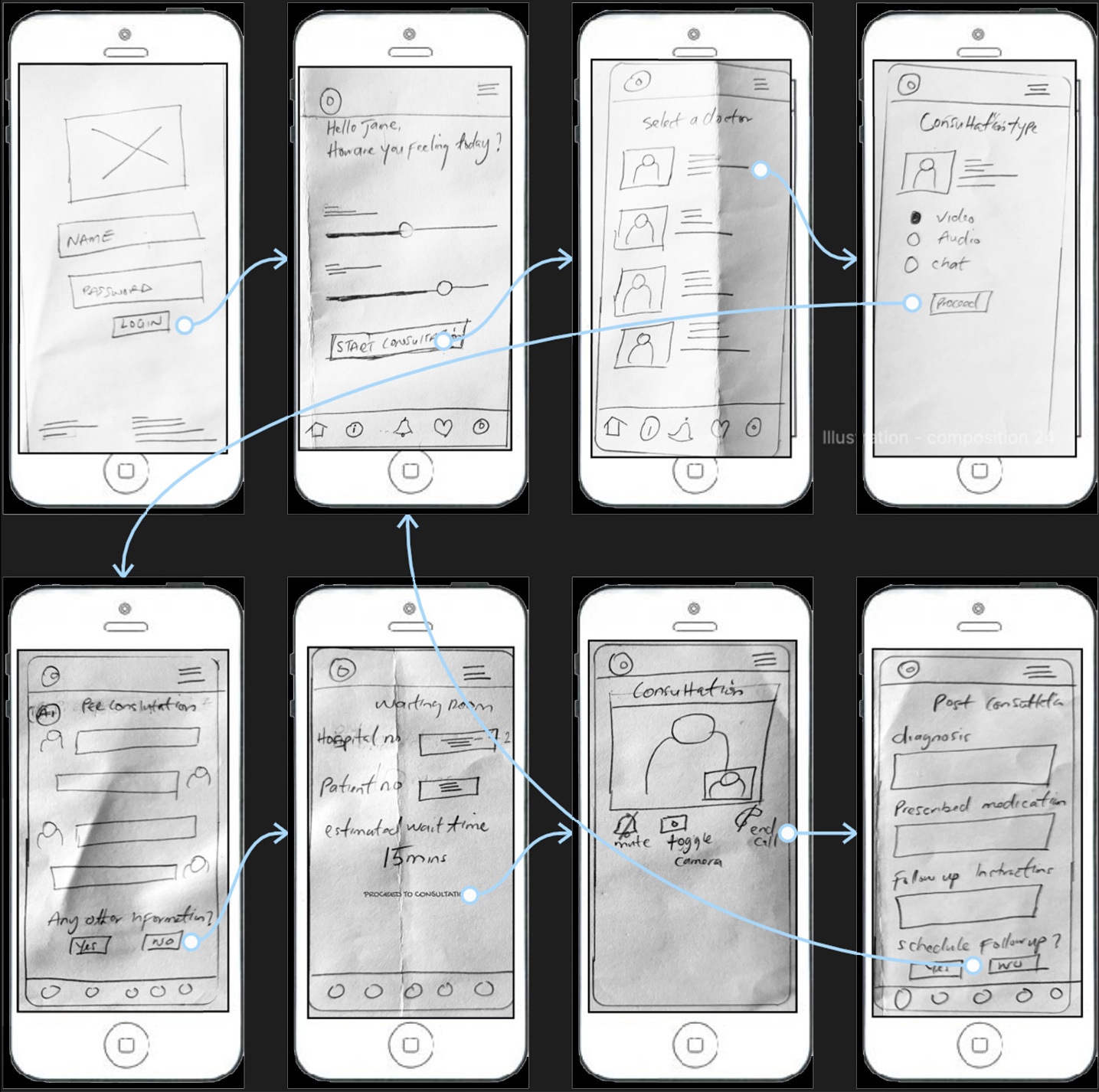

The i-Care Telemedicine app integrates innovative features to eliminate healthcare barriers:
- AI-Powered Doctor Recommendations: During pre-consultation triage, users answer intuitive symptom questions, and the AI assistant matches them with licensed physicians tailored to their clinical needs and spoken language.
- Immediate Consultations: Users can connect with doctors on-demand via secure video, audio, or chat, eliminating weeks-long waiting lists and emergency room queues.
- Digital Prescriptions: Post-consultation, verified digital prescriptions are generated in-app and sent directly to the patient's preferred neighborhood pharmacy.
- Consultation Summaries & Care Continuity: Patients receive structured clinical summaries with discharge notes, medication schedules, and follow-up instructions, ensuring clarity.
- Affordable Access: Transparent, upfront pricing models tailored specifically for visitors without provincial coverage.
Designing with Empathy and Purpose
This project highlighted the immense importance of designing with empathy and purpose. By addressing the unique challenges of newcomers and uninsured individuals, the i-Care app demonstrates how thoughtful UX design can bridge systemic gaps in healthcare access, fostering trust and improving lives.
Cohesive, Trust-Building Component Architecture

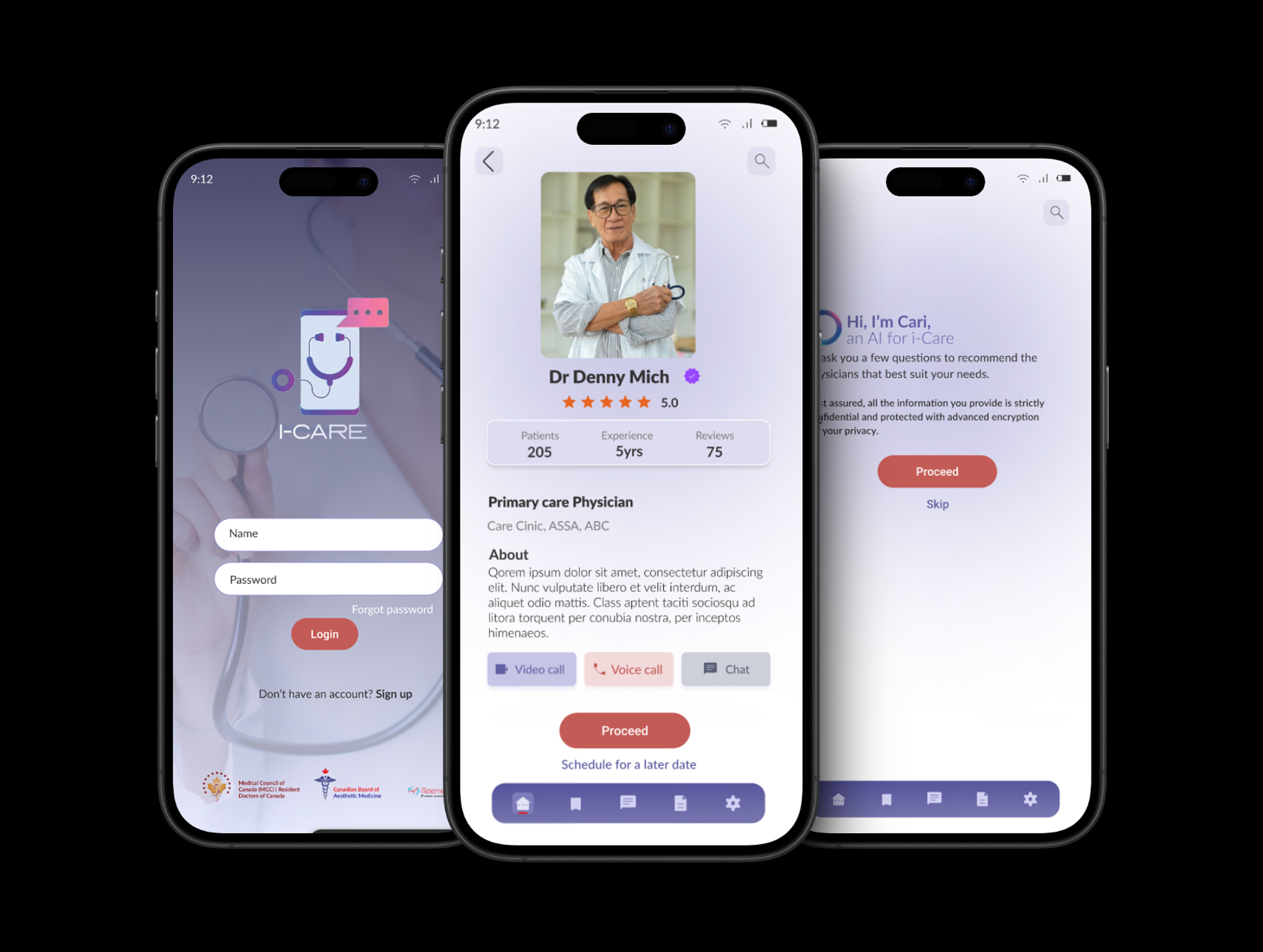
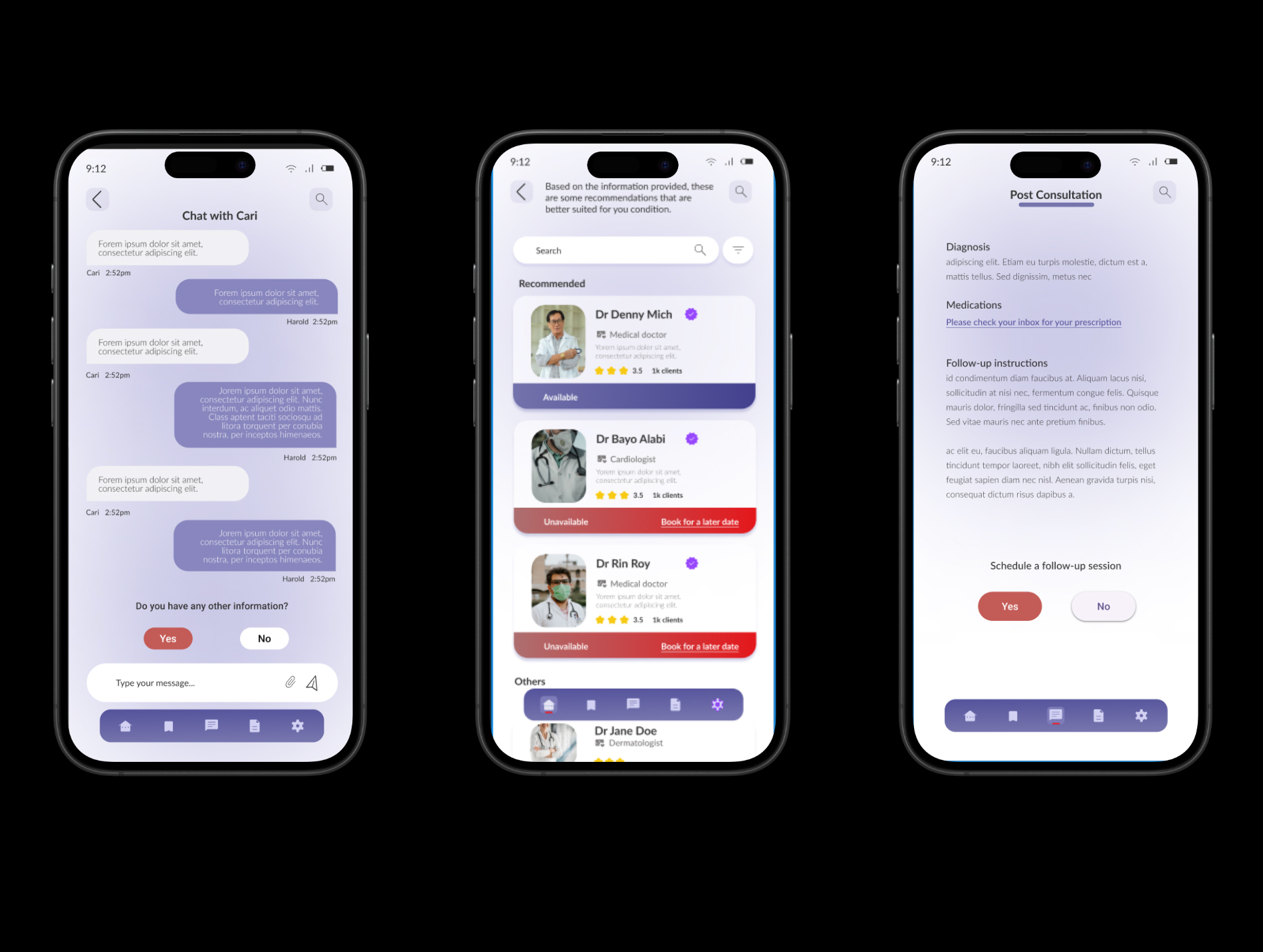
To ensure visual consistency, accessibility, and high trust across all touchpoints, I developed a comprehensive design system:
- Typography: A modern and readable typeface engineered for high legibility under stressful medical circumstances.
- Color Palette: Calming blues and greens that align with patient wellness and the i-Care brand.
- Components: Accessible buttons, clinical forms, and modal designs for a seamless user experience.
- Icons & Clinical Illustrations: Unambiguous visual icons used to enhance navigation clarity across language barriers.
A Blueprint for Healthcare Impact
The i-Care Telemedicine app is a testament to the power of user-centered design in solving real-world problems. By blending empathy-driven research with innovative digital solutions, the app successfully created a seamless healthcare experience for those who need it most.
The project underscored the importance of accessibility and trust in healthcare design while paving the way for future enhancements, such as predictive health analytics and virtual health coaching. As telemedicine continues to evolve, i-Care stands as a model for how thoughtful UX can drive meaningful impact in the healthcare industry.